
A chemical peel can improve the look of dull skin, uneven texture, discoloration, congestion, and visible signs of aging. But while the peel itself gets most of the attention, the recovery phase often determines how skin looks and feels afterward.
That is why using the right recovery cream after a chemical peel is so important.
Post-peel skin is often dry, tight, sensitive, and more reactive than usual. A well-formulated recovery cream can help support the skin barrier, improve hydration, calm visible irritation, and make the recovery process more comfortable.
If you want better post-peel results, proper aftercare is not optional — it is essential.
Chemical peels work by exfoliating the outer layers of the skin to encourage renewal. Depending on the type and strength of the peel, skin may temporarily experience:
This is a normal part of the post-peel process. However, skin that is not supported properly during recovery may feel more irritated, dehydrated, or stressed.
That is why chemical peel aftercare should focus on hydration, barrier repair, and skin comfort.
A recovery cream helps protect and support skin while it heals after exfoliation. Unlike a standard moisturizer, a post-peel recovery cream is meant to address the specific needs of stressed, recently treated skin.
The best recovery cream after a chemical peel can help:
For patients, clients, and skincare professionals, this step can make a major difference in the overall peel experience.
Not every moisturizer is suitable after professional exfoliation. After a peel, skin needs formulas that are hydrating, soothing, and barrier-supportive without being harsh or overly active.
When choosing a recovery cream for post-peel skincare, look for ingredients that help:
Products used after a chemical peel should also avoid unnecessary irritation. In the immediate recovery period, skin usually responds best to gentle support rather than aggressive actives.
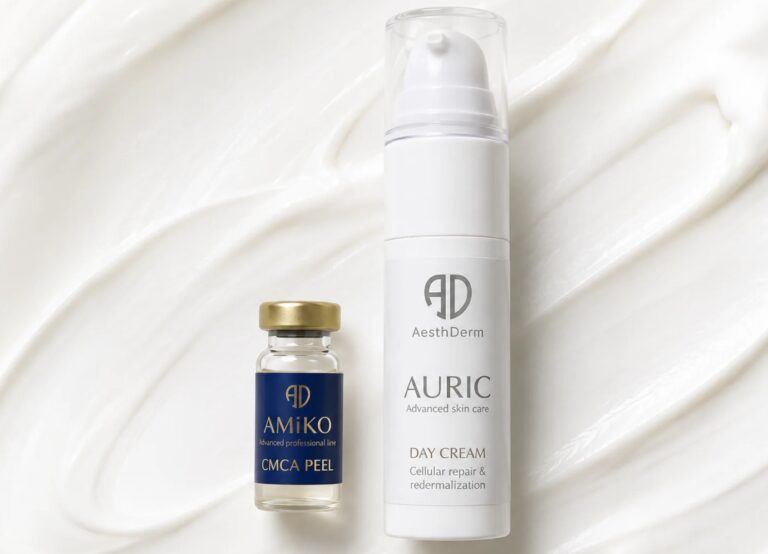
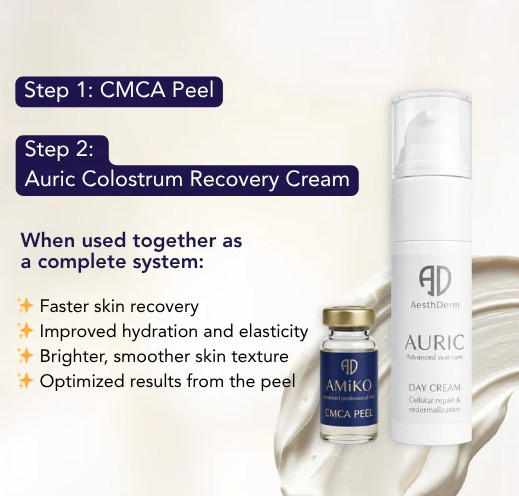
Amiko Auric Recovery Cream is designed to support skin after professional treatments, including chemical peels. It helps replenish moisture, support the barrier, and improve comfort when skin feels vulnerable after exfoliation.
For skincare professionals, this makes it easier to pair treatment results with a thoughtful homecare plan. For clients, it helps extend post-treatment support beyond the treatment room.
A targeted post-peel cream like Auric Recovery Cream can be especially beneficial when skin feels:
Auric Recovery Cream includes ingredients associated with hydration, nourishment, and skin recovery support.
Hyaluronic acid helps draw moisture into the skin, which can be especially important after a peel when the skin feels dry or tight. Better hydration can improve skin comfort and reduce the rough, stretched feeling many people notice during recovery.
Hydrolyzed collagen helps support softer, smoother-feeling skin. After exfoliation, this can help improve the feel of the skin surface and support a more comfortable recovery period.
Copper peptide is widely used in advanced skincare for its skin-conditioning and supportive benefits. In post-peel products, it may help skin look healthier and more resilient during recovery.
Colostrum is used in skincare for its rich composition of bioactive compounds. It can help nourish skin that feels stressed after treatment and support the appearance of recovery.
Succinic acid is often included in formulas designed to support skin clarity and overall balance, making it a useful ingredient in skincare for compromised or post-treatment skin.
Using a dedicated recovery cream after a peel can support both short-term comfort and overall treatment satisfaction.
Common benefits include:
For estheticians, med spas, and skincare clinics, recommending the right post-peel cream can also improve the client experience and reinforce professional treatment protocols.
In addition to using a recovery cream, proper aftercare can help skin recover more smoothly after a chemical peel.
Use a gentle, barrier-supportive recovery cream to prevent excessive dryness and support comfort.
Skip strong exfoliants, retinoids, and irritating treatments immediately after a peel unless directed otherwise by a skincare professional.
Freshly treated skin can be more sensitive to UV exposure. Daily sun protection is essential after a peel.
Let shedding happen naturally to avoid unnecessary irritation and disruption of the healing process.
Aftercare recommendations may vary depending on the type and strength of the peel.
A recovery cream can be useful for anyone experiencing dryness, tightness, flaking, or visible sensitivity after exfoliation. It is especially helpful for:
Whether the peel is light or more intensive, hydration and barrier support are important parts of the recovery process.
A chemical peel can help improve the appearance of the skin, but results are not only shaped by the treatment itself. Recovery matters too.
Using the right recovery cream after a chemical peel can help support hydration, improve comfort, and protect the skin barrier when it is most vulnerable. Auric Recovery Cream is designed to play that role, helping support post-peel skin with ingredients focused on moisture, nourishment, and recovery support.
If you want healthier-looking skin after exfoliation, do not overlook the importance of post-peel aftercare. The right recovery cream can make a meaningful difference.